Spring Decor Refresh: A Room-by-Room Checklist for UK Homes
October 06, 2026 - Home Decor


October 06, 2026 - Home Decor
October 03, 2026 - Home Decor
October 03, 2026 - Interior Design
October 01, 2026 - Home Decor
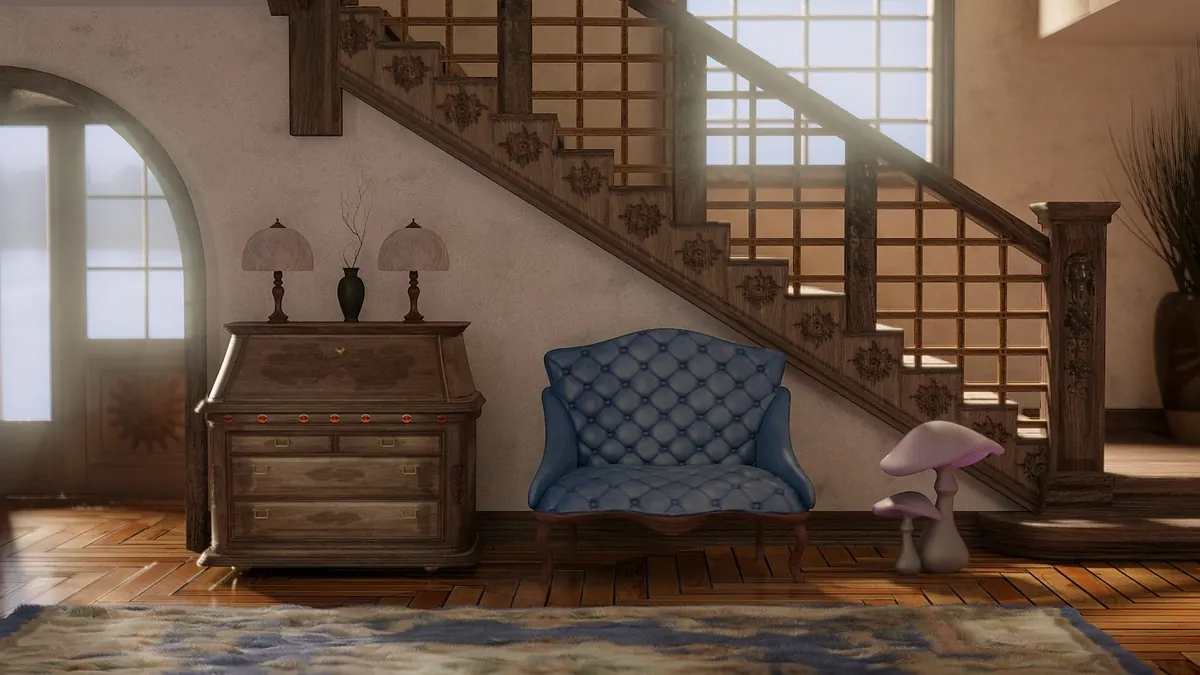
A Victorian terrace living room asks a lot of you. The ceiling is high enough to make a modest rug look apologetic, the footprint is narrow enough that a standard three-seater can swallow the whole space, and there is usually one window, one fireplace and a chimney breast determined to interrupt the back wall. Get it right, though, and few new-build boxes come close. The trick is to treat the original features as the structure of the scheme rather than as decoration, then build the modern, comfortable bits around them.
Before you buy a single cushion, walk the room and note what is genuinely original. Cornicing, a ceiling rose, a picture rail, deep skirting, a four-panel door, a cast-iron fireplace with a tiled surround, sash windows, floorboards you can actually save. These are the things that give the room its proportions, and they are almost impossible to fake convincingly afterwards.
Repair comes before decorating. Loose plaster and crumbling cornice need a plasterer, not filler and a coat of emulsion; paint over movement and it will crack again within a season. If your home is listed or sits in a conservation area, check with your local planning authority before you alter windows, external doors or anything structural. Consent is often required, and it is far cheaper to ask first than to undo work later.
Not everything has to stay, mind. A dado rail added in the 1980s, or a fireplace surround that is clearly a later addition, can go without guilt — especially if it is slicing a small room into horizontal bands. Original features deserve thought; reproductions do not.
When you repaint, resist the urge to outline every feature in brilliant white. Painting cornice, skirting and architraves in the same colour as the walls, in a hard-wearing eggshell, makes the room read calmer and taller. Victorian rooms were usually painted with far less contrast than most people assume.
There are two routes that work reliably in a small period room, and they are opposites.
The first is warm, enveloping light: an off-white or pale stone on the walls, with the ceiling in the same colour cut a shade lighter. Avoid cool greys, which turn a north-facing terrace room slightly blue and chilly. The second is full commitment to a deep colour — a muddy green, a soft brown, a dark slate blue — taken over the walls, ceiling and woodwork. This sounds counterintuitive in a small room, but dark walls recede, blur the edges of the box, and make the sash window look like a lit picture. It works best where you have decent daylight; half-hearted dark walls just look unfinished.
Wherever you land, keep to two or three colours in the room and let one element carry the accent — the fireplace tiles, a door, or a single piece of upholstery. Paint alcove shelving in the wall colour and it will quietly disappear into the architecture. Paint it in a contrast colour and it becomes a heavy block at eye level.
Most Victorian terraces are long and narrow, with a chimney breast breaking the back wall. The instinct is to push everything against the walls, which leaves a corridor down the middle and a room that feels like a waiting area. Instead, plan it on paper first.
Slim, upright furniture earns its place here. A sofa around 80cm deep rather than 95cm gives you back a walking route, and a low-backed design keeps the sightline to the cornicing open. Fill one alcove, not both: joinery or a slim desk in one, and a small chair, a plant or nothing at all in the other. Above all, choose a rug large enough that the front legs of your seating sit on it. A postage stamp in the middle of the floor makes a small room look smaller.
A single bulb hanging from the middle of a high ceiling flattens everything and lights the room from the least useful angle. Aim for four or five sources instead: a pendant on a dimmer that you rarely use at full power, two floor or table lamps at different heights, and a wall light or picture light.
In a period room, wall lights mounted at picture rail height throw light upwards and show off the cornicing rather than washing the middle of the wall. Avoid recessed downlights in a lath-and-plaster ceiling — they cut through the plaster and the joists beneath, and they look anachronistic however neatly they are done. Warm white bulbs around 2700K keep everything feeling like a home rather than a showroom.
Keep the sashes if you can. Draught-proofing, repairing the cords and adding secondary glazing will do more for comfort than replacing them, and slim double-glazed units are sometimes an option where the frames are sound. Curtain poles want to sit close to the ceiling and extend 20–30cm past the window reveal on each side, so the curtains can be pulled clear of the glass during the day; heavy velvet floor-length curtains are lovely but will crowd a narrow room, so consider a lighter weight, a roman blind inside the reveal, or shutters to the lower half of the window. And if a radiator sits under the window, try not to bury it behind fabric — you are just heating the back of the curtain.
Then soften everything. A wool rug, linen at the window, one good armchair, a couple of cushions and a throw will do more for a Victorian room than any amount of new furniture. Add storage that does not announce itself: alcove joinery, an upholstered ottoman that doubles as a coffee table, a slim console behind the sofa with baskets underneath. Keep surfaces reasonably clear so the eye has somewhere to rest.
If the fireplace is still in use, have the chimney swept and checked by a qualified sweep before you light it. If it is blocked off, make sure the flue is ventilated — a sealed chimney with no airflow is a common cause of damp patches on the breast.
Do things in the right sequence and you will only decorate once. Repair plaster and cornice first. Then electrics and lighting, while the walls are still bare. Then paint, including the ceiling and woodwork. Then flooring or a rug, then furniture, then textiles, art and the small things. Live with an almost-empty room for a fortnight before you fill it; it is much easier to see what a space actually needs when you are not working around a sofa you bought in a hurry.
One last thing: a Victorian terrace living room does not need to be a museum piece. It needs to look like somebody lives in it — a bit of wear on the floorboards, a lamp left on, a stack of books that has grown sideways. Character comes from the bones of the building, but it is the ordinary daily evidence of use that makes it feel like home.
Photo: mielcar / Pixabay
A practical room-by-room plan for lightening textiles, clearing clutter and adding fresh colour across a UK home...
Measuring each angled face, choosing a track that bends, and matching heading and fabric weight are what make bay...
October 06, 2026 - Home Decor
October 03, 2026 - Home Decor
October 03, 2026 - Interior Design
Copyright © 2026 Ripple Room. All Right Reserved.